
Skip to content
Compassionate ABA therapy for every family. Toll Free (877) 708-2385
The Science, Simply

What is ABA?

Applied Behavior Analysis is the science of learning and behavior — applied with warmth, ethics, and care that's built around your child.

The Science, in Plain Language

ABA, explained without the jargon.

ABA looks at why behaviors happen and uses that understanding to teach new skills, build communication, and make daily life easier — for the whole family.
What it is

A science of learning, not a script.

ABA studies how behavior is learned and how it changes in response to the environment. There's no single 'ABA program' — every plan is built around the child in front of us.
  • Recognized as evidence-based by the US Surgeon General and APA
  • Goals come from your family, not a checklist
  • Programs adjust as your child grows

How it feels

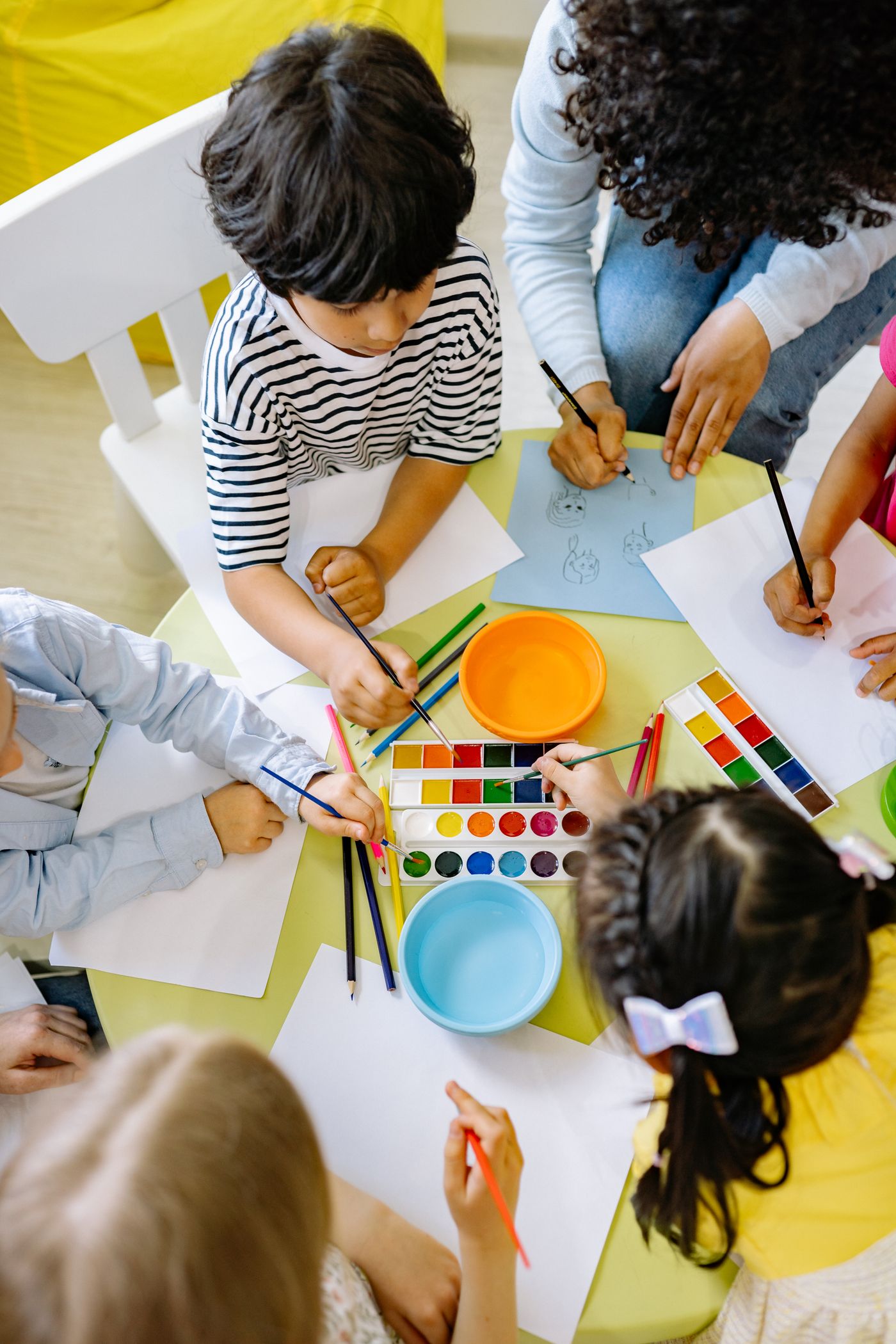
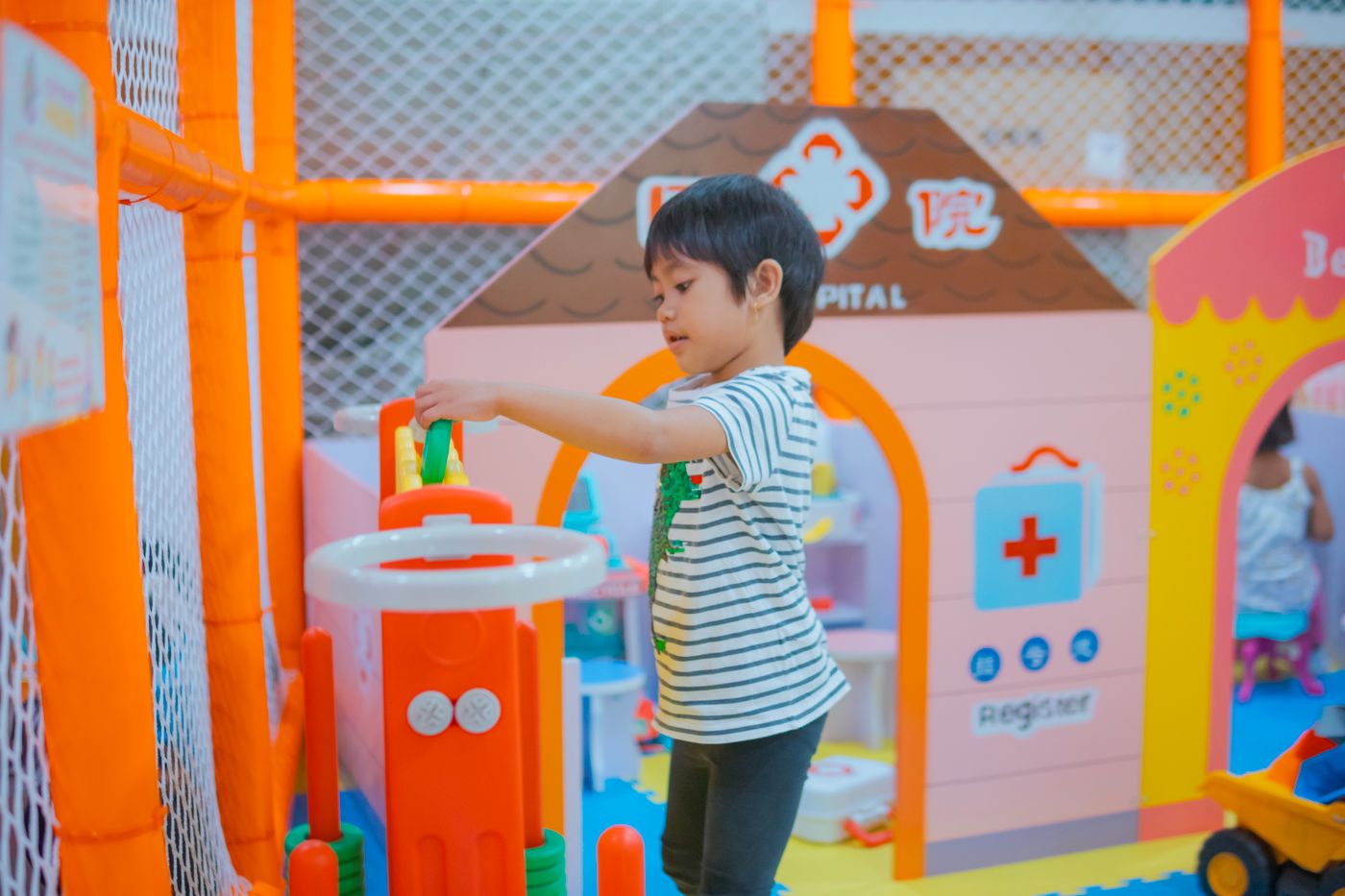
Play-based, child-led, joyful.

Modern ABA looks like play, conversation, songs, and naturalistic learning moments. We honor assent, respect neurodiversity, and partner closely with parents.

  • Sessions feel like guided play, not 'therapy'
  • We celebrate wins big and small
  • Family routines come first
“ABA at its best is curious, kind, and led by the child. The data is just the map — the relationship is the road.”
— Our clinical philosophy
Inside a Session

What ABA looks like, step by step.

Every session is different, but the rhythm is familiar.

  1. 1

    Warm Welcome

    We start with a connection ritual — favorite song, greeting, a shared activity — to set the tone.

  2. 2

    Skill Building

    Short, playful teaching moments target communication, social, daily-living, and learning goals.

  3. 3

    Naturalistic Practice

    Skills are practiced in real routines — snack, play, transitions — so they generalize beyond the table.

  4. 4

    Wind-Down & Notes

    We review the session with you, share data, and celebrate the wins of the day.

Why Families Choose ABA

The benefits, by the moment.

Communication

Verbal and nonverbal communication grows — from first requests to back-and-forth conversation.

Independence

Daily living skills like dressing, eating, and self-care become more independent and less stressful.

Social Connection

Children build the play, sharing, and perspective-taking skills that lead to real friendships.

Learning Readiness

Attention, following directions, and pre-academic foundations get stronger session by session.

Family Calm

Parents leave with tools — fewer power struggles, smoother routines, more shared joy.

Confidence

Wins are celebrated. Children see themselves as capable — and so does everyone around them.

FAQ

Frequently asked questions

Is ABA evidence-based?
Yes. ABA is recognized as an evidence-based best-practice treatment by the US Surgeon General and the American Psychological Association, with decades of peer-reviewed research behind it.
What ages do you serve?
We work with children of all ages, with a focus on early intervention for ages 2–6. ABA can be effective at any age and any starting point.
How many hours per week are needed?
It depends on your child's goals and your family's life. Focused programs may be 10–15 hours per week; comprehensive early-intervention programs can range from 20–40. Your BCBA recommends a plan after assessment.
Is ABA only for autism?
ABA was developed for autism but the underlying science applies broadly. Children with related developmental and learning differences can also benefit.
What does a typical session look like?
Sessions are play-based and child-led, blending structured teaching with naturalistic practice in your home, school, or community setting.
Does insurance cover ABA?
Most major insurance plans, Medi-Cal, and regional center funding cover ABA. We help you verify benefits and handle authorizations.

Curious if ABA is right for your family?

Talk to one of our BCBAs. We'll walk you through assessments, insurance, and what a starting program could look like — at your pace.